
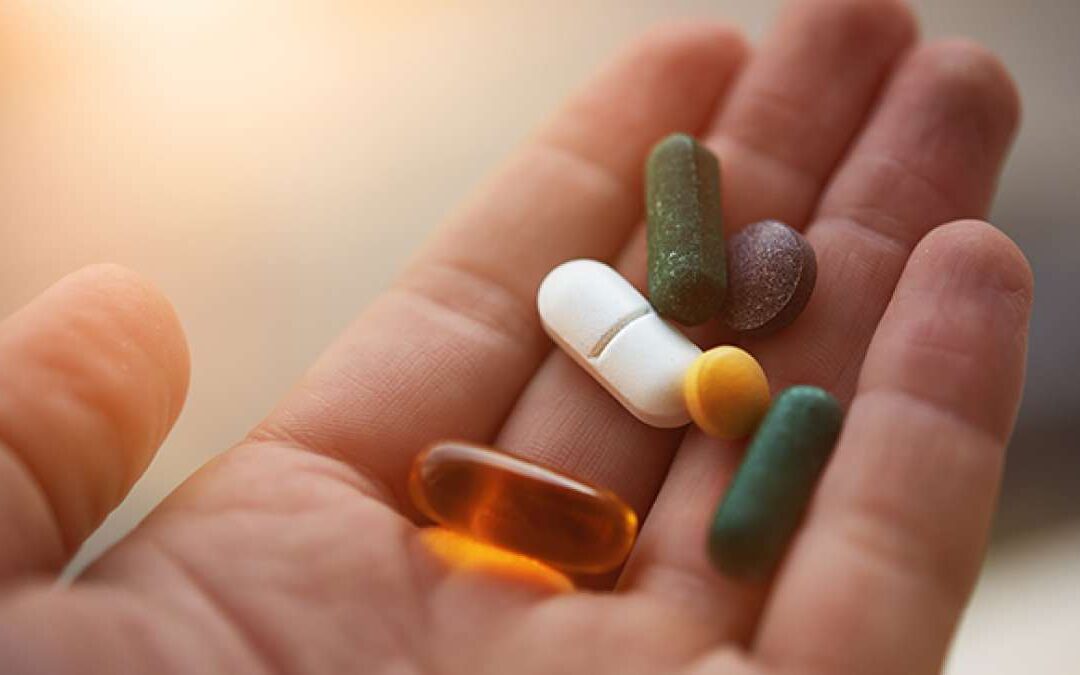
Supplements are substances that can be taken to add to or increase the nutrients in the body. They come in many forms, including pills, capsules, liquids, and powders. Some supplements are derived from natural sources, such as plants, while others are synthetically produced.
Supplements can be helpful for people who don’t get enough of certain nutrients from their diet. For example, pregnant women often take folic acid supplements to prevent birth defects. People who are lactose intolerant or vegan may need to take vitamin B12 supplements. Older adults may also need to take calcium and vitamin D supplements to maintain bone health.
However, supplements can also be dangerous. Some supplements can interact with medications, causing serious side effects. Others can contain harmful levels of contaminants, such as heavy metals. And some supplements can be ineffective or even dangerous for certain people, such as pregnant women, children, and people with underlying health conditions.
How Supplements Can Be Helpful
Supplements can be a helpful way to get the nutrients you need if you don’t get enough from your diet. They can also be helpful for people with certain health conditions. For example, people with celiac disease may need to take iron supplements because they can’t absorb iron from gluten-containing foods.
How Supplements Can Be Dangerous
Supplements can be dangerous if they are not taken correctly. Some supplements can interact with medications, causing serious side effects. For example, the supplement St. John’s wort can interact with birth control pills, making them less effective.
Supplements can also be dangerous if they contain harmful levels of contaminants. Some supplements have been found to contain high levels of lead, arsenic, and other heavy metals.
Finally, some supplements can be ineffective or even dangerous for certain people. For example, pregnant women should avoid taking high doses of vitamin A, as it can increase the risk of birth defects.
How to Take Supplements Safely
If you are considering taking supplements, it is important to talk to Dr. Desai first. They can help you determine if supplements are right for you and, if so, which ones are safe and effective.
It is also important to follow the directions on the supplement label carefully. Do not take more than the recommended amount.
Finally, be aware that supplements are not regulated by the Food and Drug Administration (FDA) in the same way that medications are. This means that there is no guarantee that supplements are safe or effective.
Conclusion
Supplements can be a helpful way to get the nutrients you need, but they can also be dangerous. It is important to talk to your doctor before taking any supplements and to follow the directions on the label carefully.